Stanford Create+AI Challenge Winners reimagining the future of learning.
Artificial intelligence is rapidly reshaping education.
Over the past two years, generative AI tools have entered classrooms around the world, sparking both excitement and concern about how these technologies might transform teaching and learning.
Many early applications of AI in education focused on automation: creating lesson plans, summarizing readings, or grading assignments.
But a more interesting question is emerging:
What if AI could augment human learning instead of replacing it?
That’s exactly the question behind the Create+AI Challenge, hosted by the Stanford Accelerator for Learning with support from Google.org.
The challenge invited educators, researchers, technologists, and students to imagine how AI could:
• expand access to learning
• strengthen relationships between teachers and students
• support new pathways to meaningful work
The response was enormous.
More than 300 Stanford startups and research teams applied.
After a competitive review process involving educators, technologists, and learning scientists, 12 teams were selected for funding and mentorship and invited to present their ideas at the AI+Education Summit in February 2026.
Our team was honored to be selected as one of the winners, which gave me the opportunity to see many of these projects up close and learn alongside an incredible group of innovators. The teams featured below represent a wide range of approaches to using AI to support teaching, learning, and opportunity.
Some of these projects are still prototypes, while others are already being tested in classrooms.
Together, they offer a fascinating glimpse into what the future of AI-powered education could look like.
If you just want the highlights:
• ReadSideKick: reading accessibility tools
• Bella AI: AI-powered school administration
• AI Studio Teams: employer-linked learning projects
• Generative AI Behavioral Learning Lab: autism learning tools
• Math! Everywhere!: real-world math discovery
• Flourish Science: AI well-being coach for students
• Freadom: personalized literacy learning
• Scratch AI assistant: creative coding support
• Small Books, Big Lessons: AI reflection tool for teachers
• UGood?: student engagement insights
• AI Writing Companion: analytical writing support
• Math Adaptation Playbook: multilingual math teaching
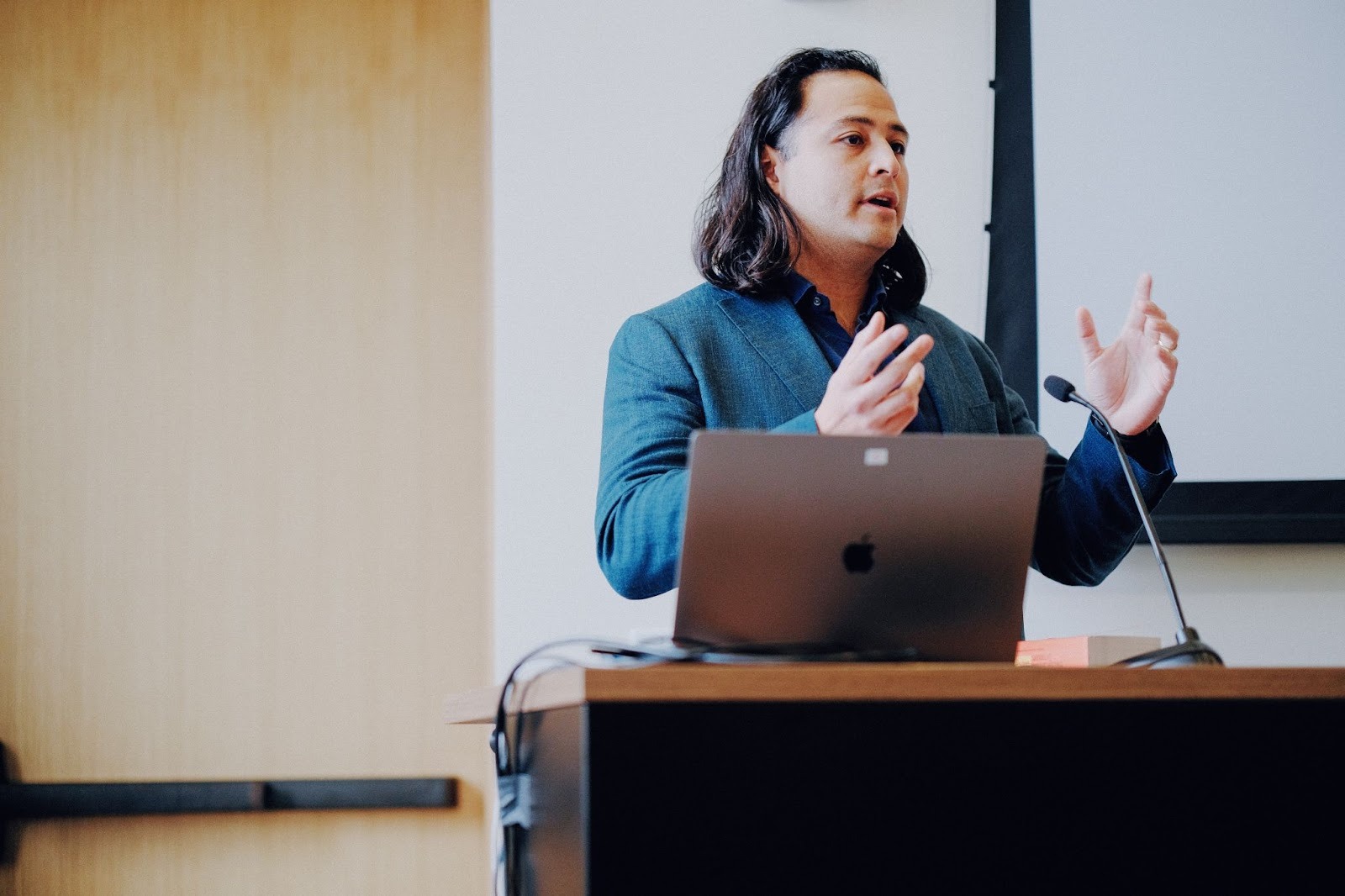
ReadSideKick helps adult learners understand complex text online.
Users can highlight difficult passages and receive simplified explanations generated by AI.
The team is also developing an English-to-ASL translation system that converts written content into animated sign language.
Hiroshi Mendoza was also selected as the cohort representative to present at the AI+Education Summit the following day.
Team: Hiroshi Mendoza, Christine Chelakkatu, Guadalupe Valdes
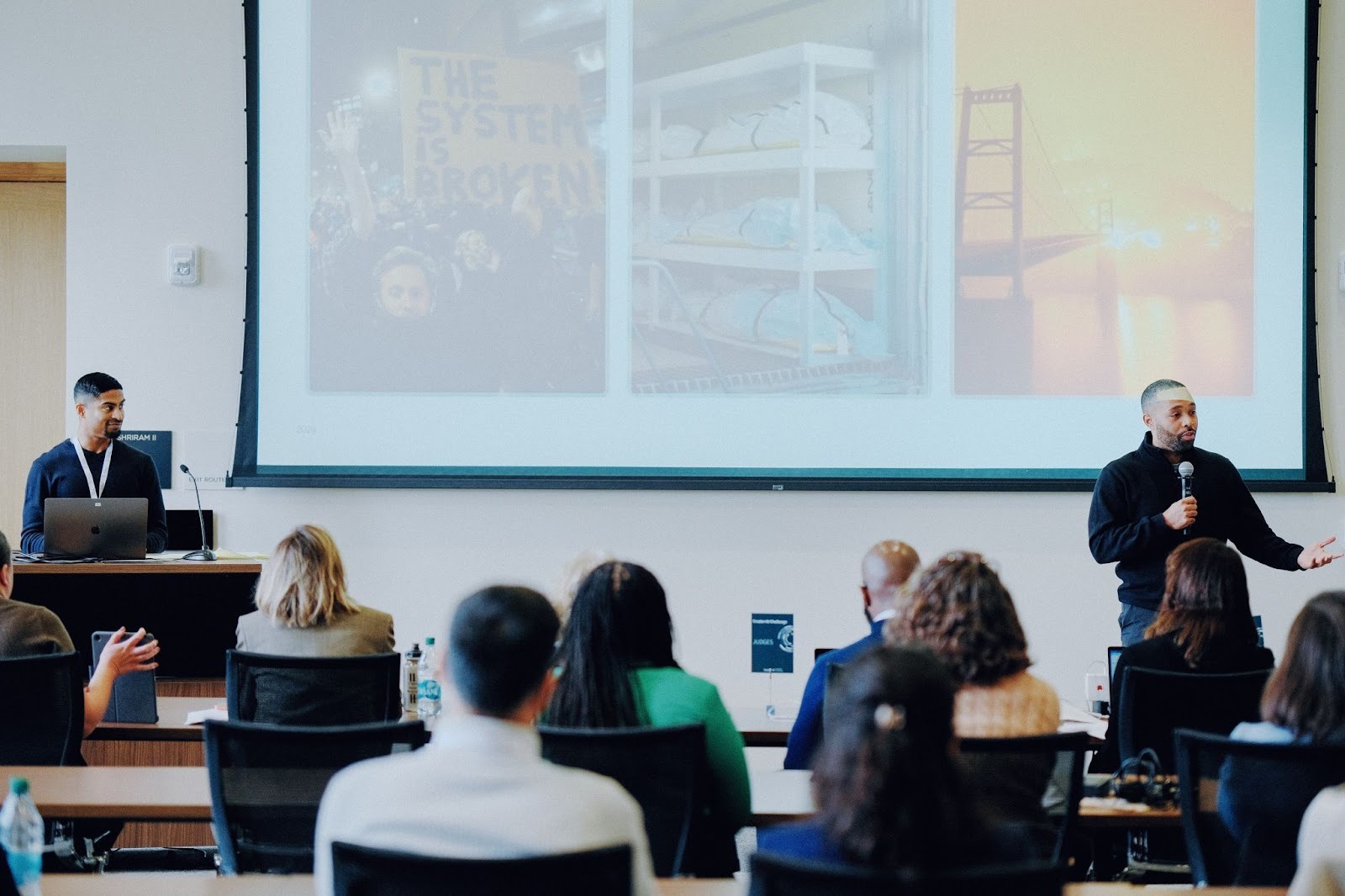
Bella is an AI-powered student information system designed to simplify compliance and administrative workflows in trade schools.
By automating regulatory tracking and student progress monitoring, the platform frees educators to focus more on teaching and mentorship.
Team: Touré Owen, Varum Ram
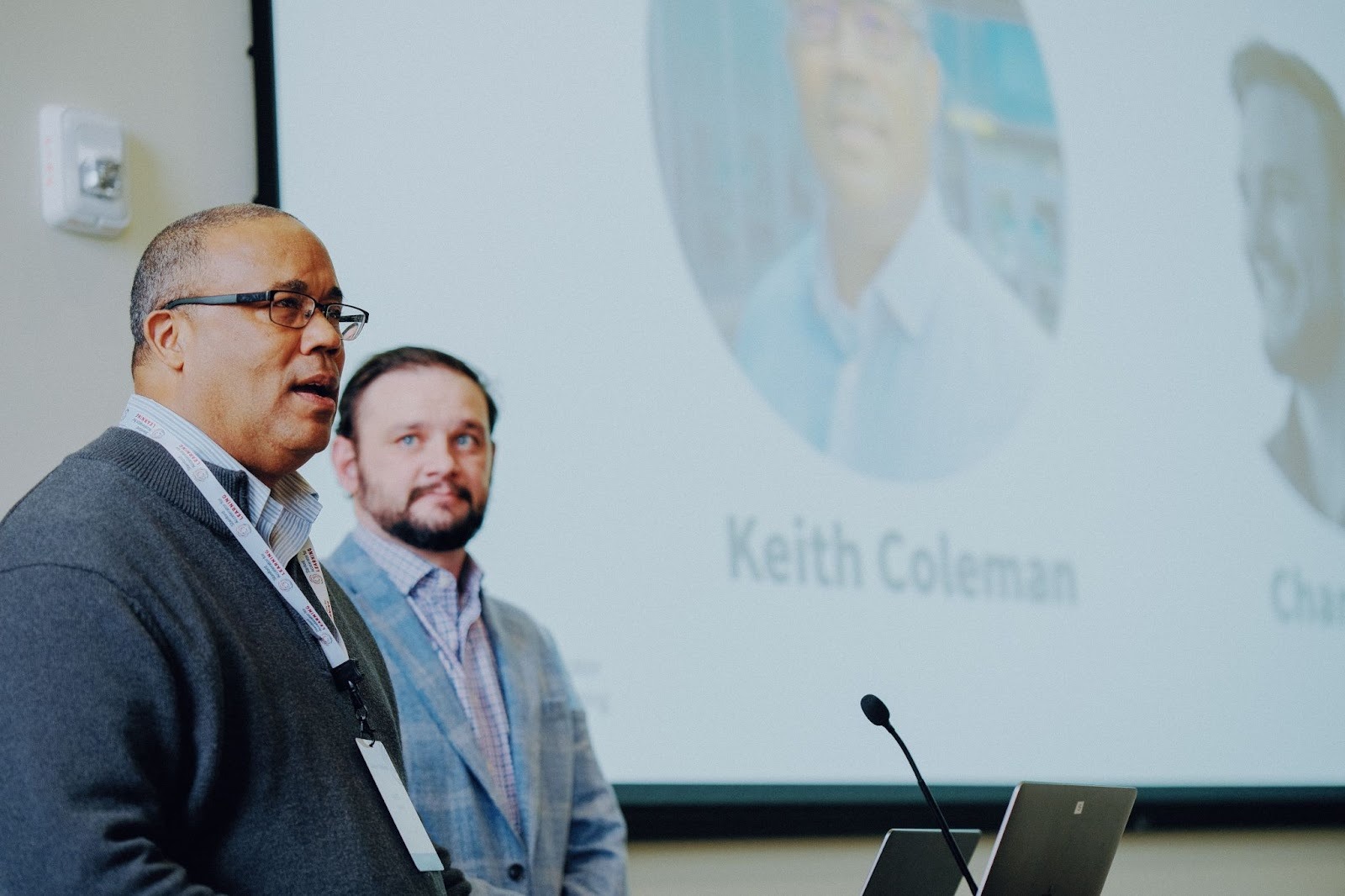
AI Studio Teams connects high school students with real-world employer projects.
Students work in cross-grade teams while learning how to responsibly collaborate with AI tools.
The program emphasizes mentorship, project-based learning, and portfolio development.
Team: Keith Coleman, Charles Sims, Mike Belloli
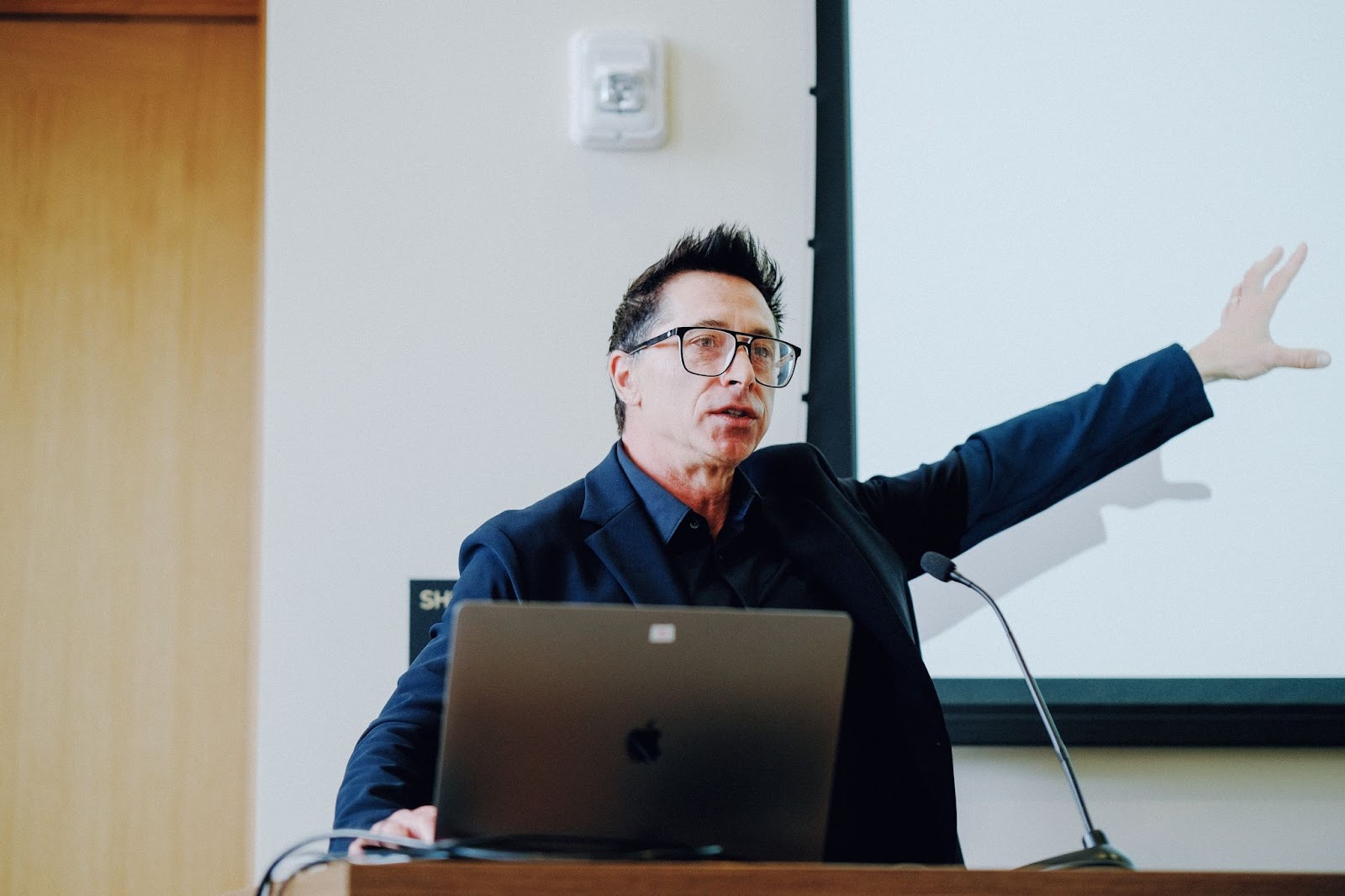
This project builds on the GuessWhat platform to support social communication development in children with autism.
Using multimodal machine learning models that analyze facial expressions, gaze, gestures, and speech patterns, the system tracks developmental progress over time.
The team is also developing generative AI tools that create personalized social scenarios and adaptive learning experiences.
Team: Dennis Wall, Aaron Kline, Arman Husic, Mahdi Honarmand, Parnian Azizian, Kaiti Dunlap
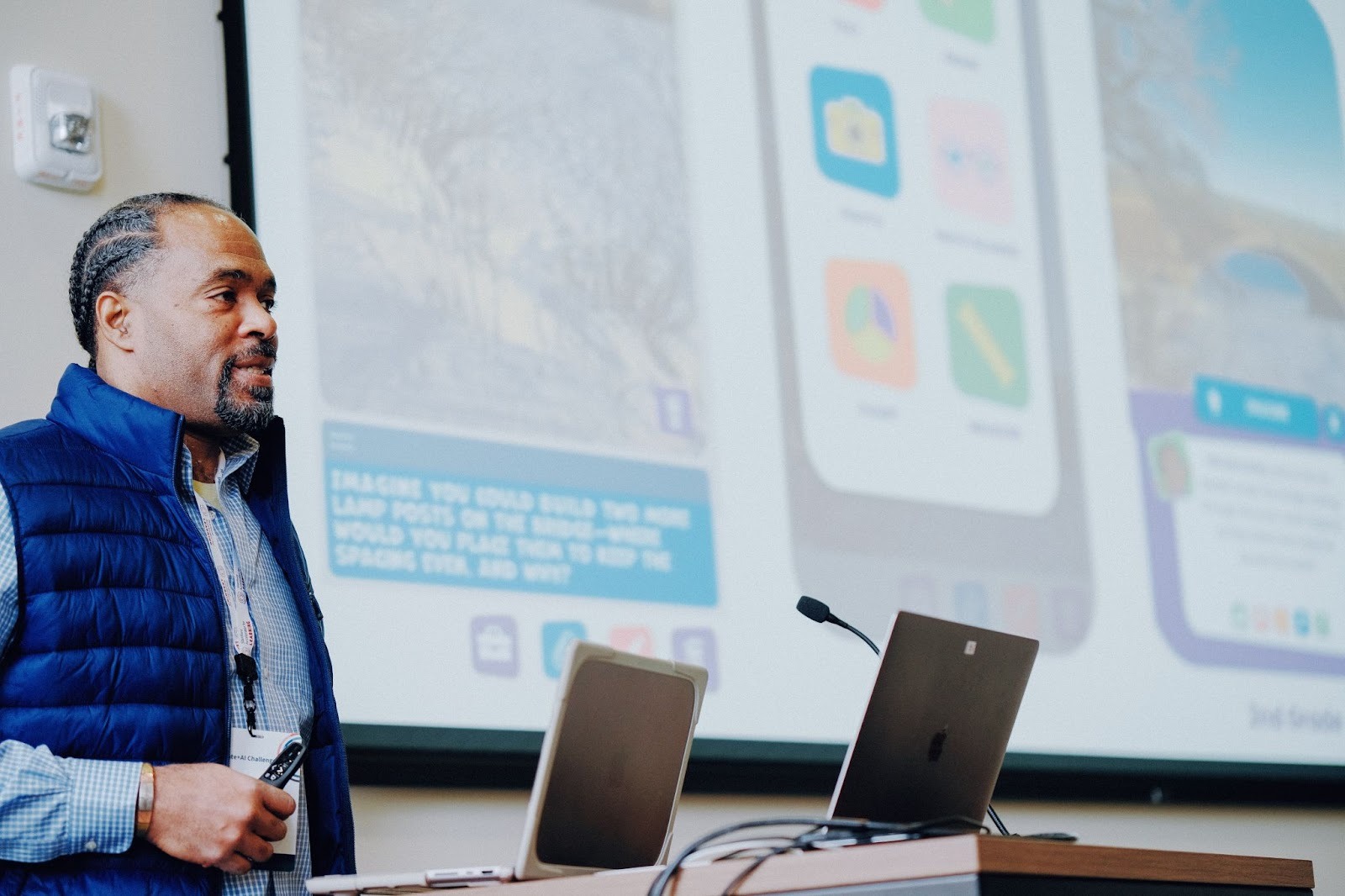
MathTalk is building tools that help students identify mathematical ideas in their everyday environments.
Using AI-powered visual analysis, learners can explore patterns around them and interact with visual representations of mathematical concepts.
The project also supports teachers and parents in recognizing the mathematical thinking students already bring from their daily experiences.
Team: Omo Moses, Savitha Moorthy, Gabe Arniella, Ashley Payton, Tiffany Enciso Williams
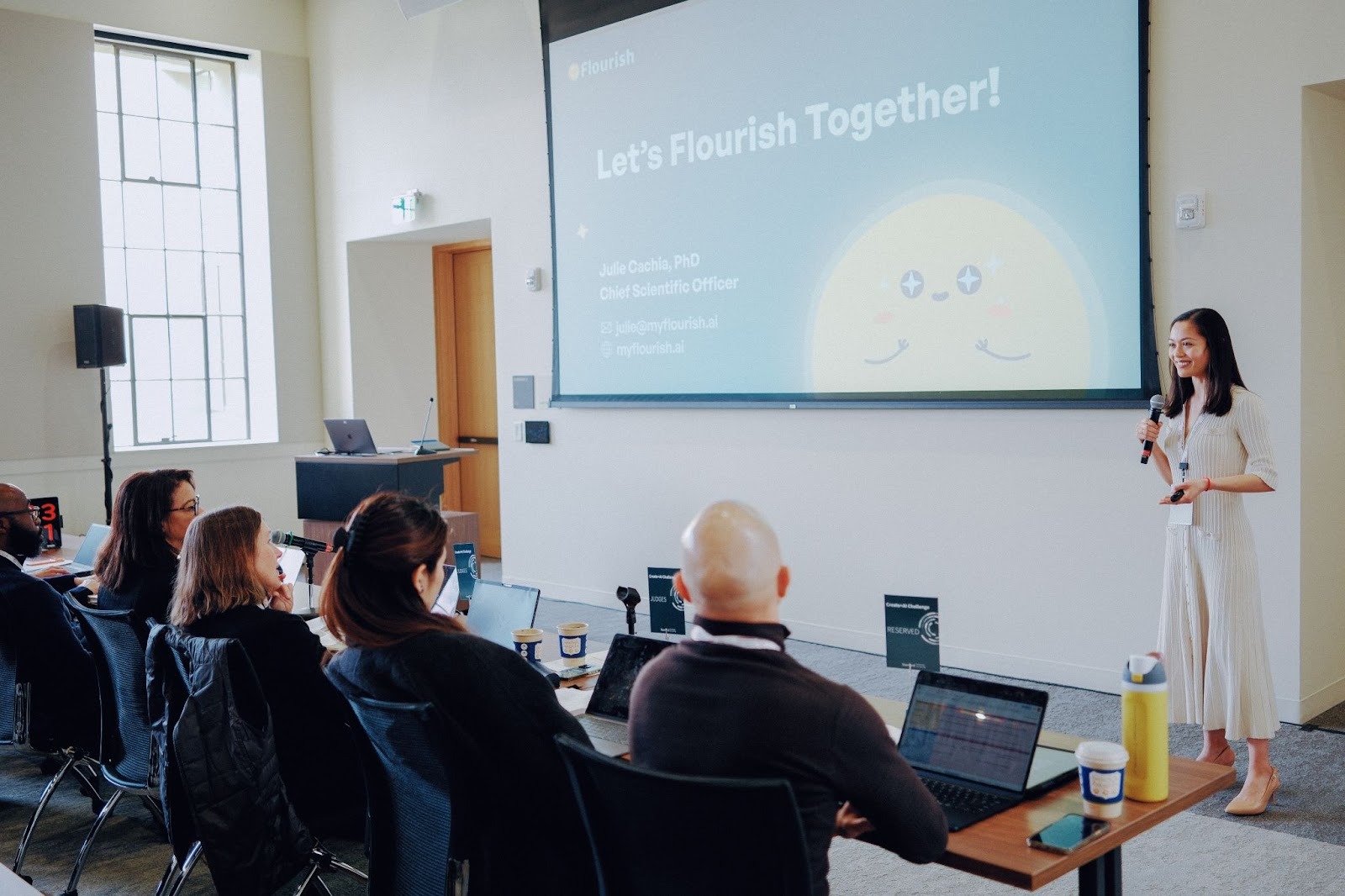
Flourish integrates well-being support directly into the learning experience.
Students interact with Sunnie, a science-based AI well-being coach that helps them build emotional regulation skills, resilience, focus, and motivation through brief daily interactions.
The program is implemented through the Flourish Challenge, an instructor-ready framework that embeds daily well-being practices directly into existing courses without increasing faculty workload.
Across implementations in more than 30 learning communities, students report improvements in stress management, motivation, reflection, and academic engagement.
Team: Julie Cachia, Xuan Zhao, Tianyi Xie
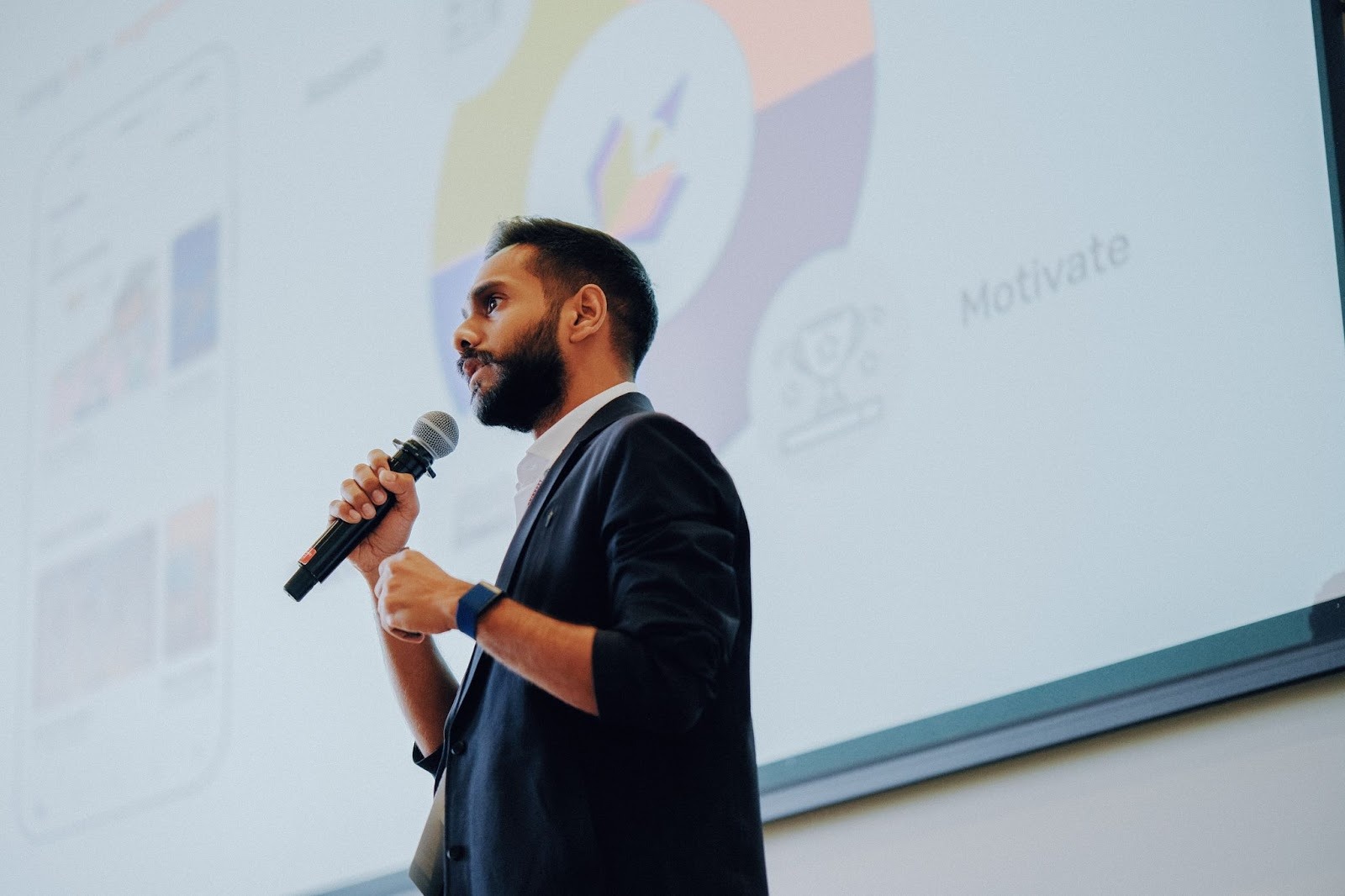
The Freadom App focuses on strengthening foundational literacy through AI-enabled personalization.
The platform identifies learning gaps, matches children with level-appropriate reading content, and encourages consistent reading habits through gamified routines.
Across recent implementations, learners showed an average 59% improvement in foundational reading outcomes.
Team: Nikhil Saraf, Susan Athey, Kristine Koutout, Sowmya Balaraman, Mansi Gupta, Nivruti Tagotra
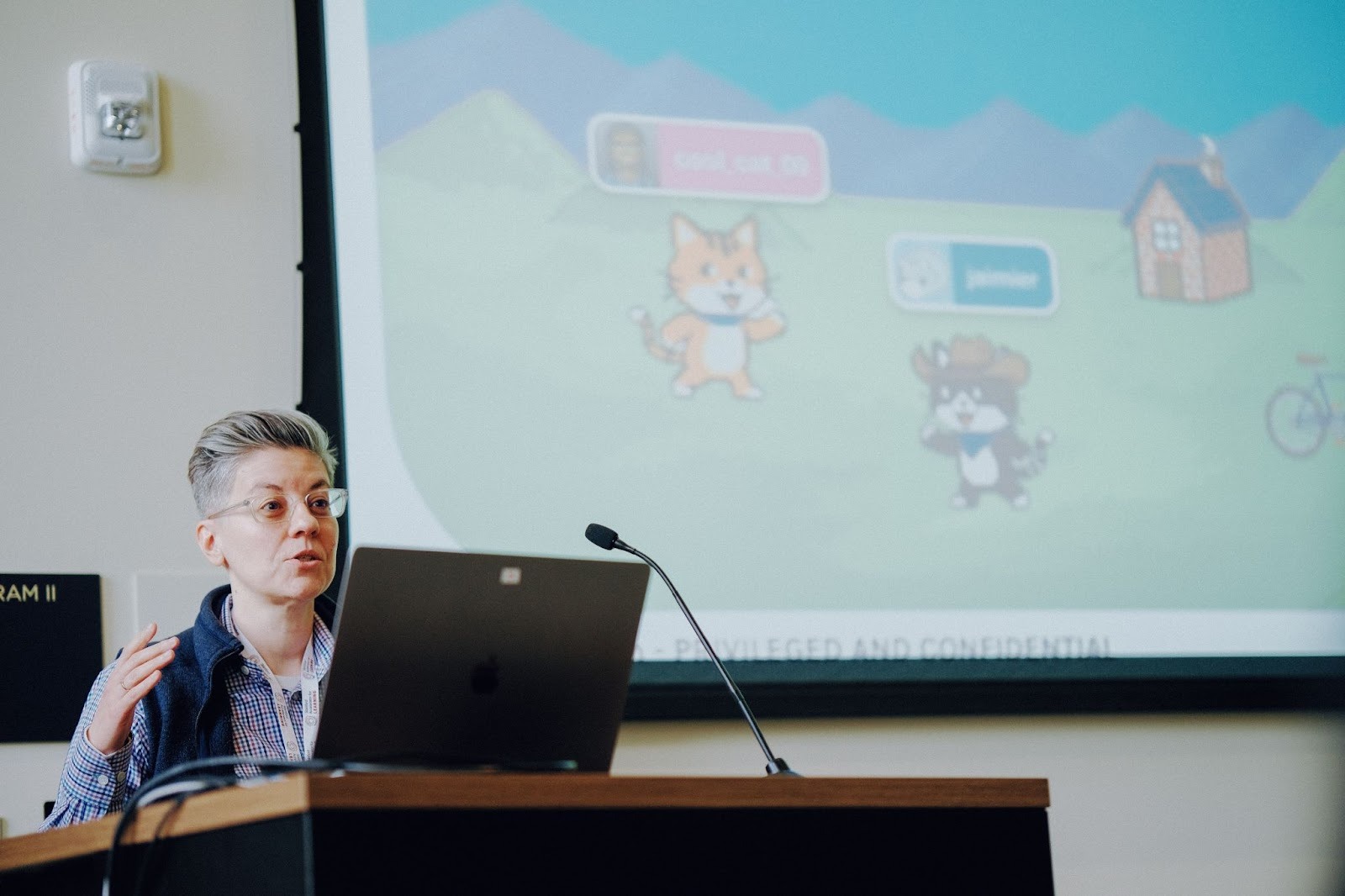
The Scratch platform is introducing AI-powered tools designed to support creativity without replacing the learning process.
The Creative Learning Assistant helps students get unstuck, explore ideas, and discover new projects within the Scratch community.
At the same time, the initiative creates anonymized research data that helps scientists better understand how children learn and collaborate in digital creative environments.
Team: Maira Janelli, Bruce McCandliss, Margaret Honey, Nikita Khalid
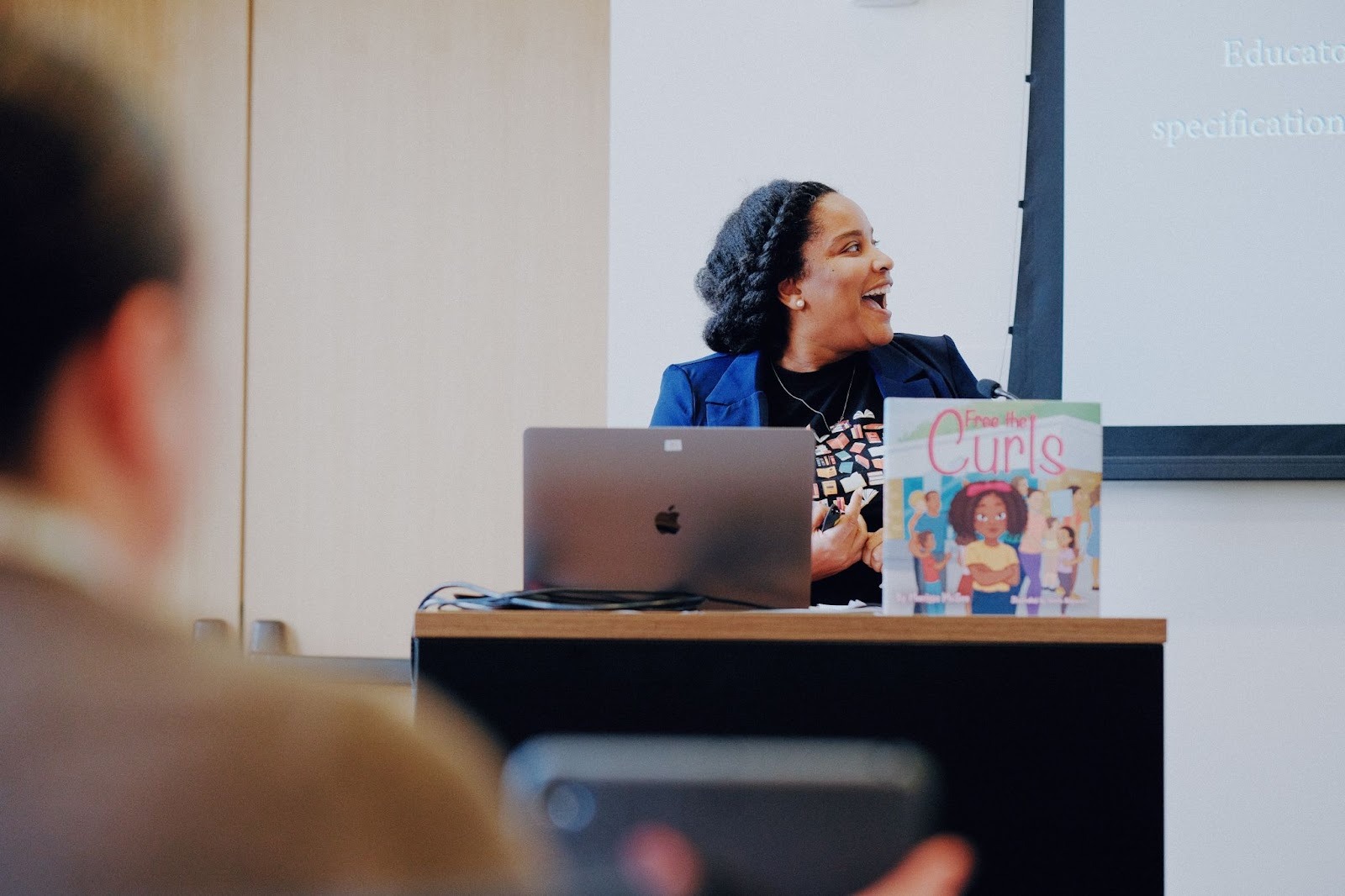
This AI reflection companion helps educators navigate conversations about identity, belonging, and bias in classrooms.
Teachers engage with guided prompts before and after lessons, helping them reflect on their assumptions and strengthen relational teaching practices.
Team: Marissa McGee
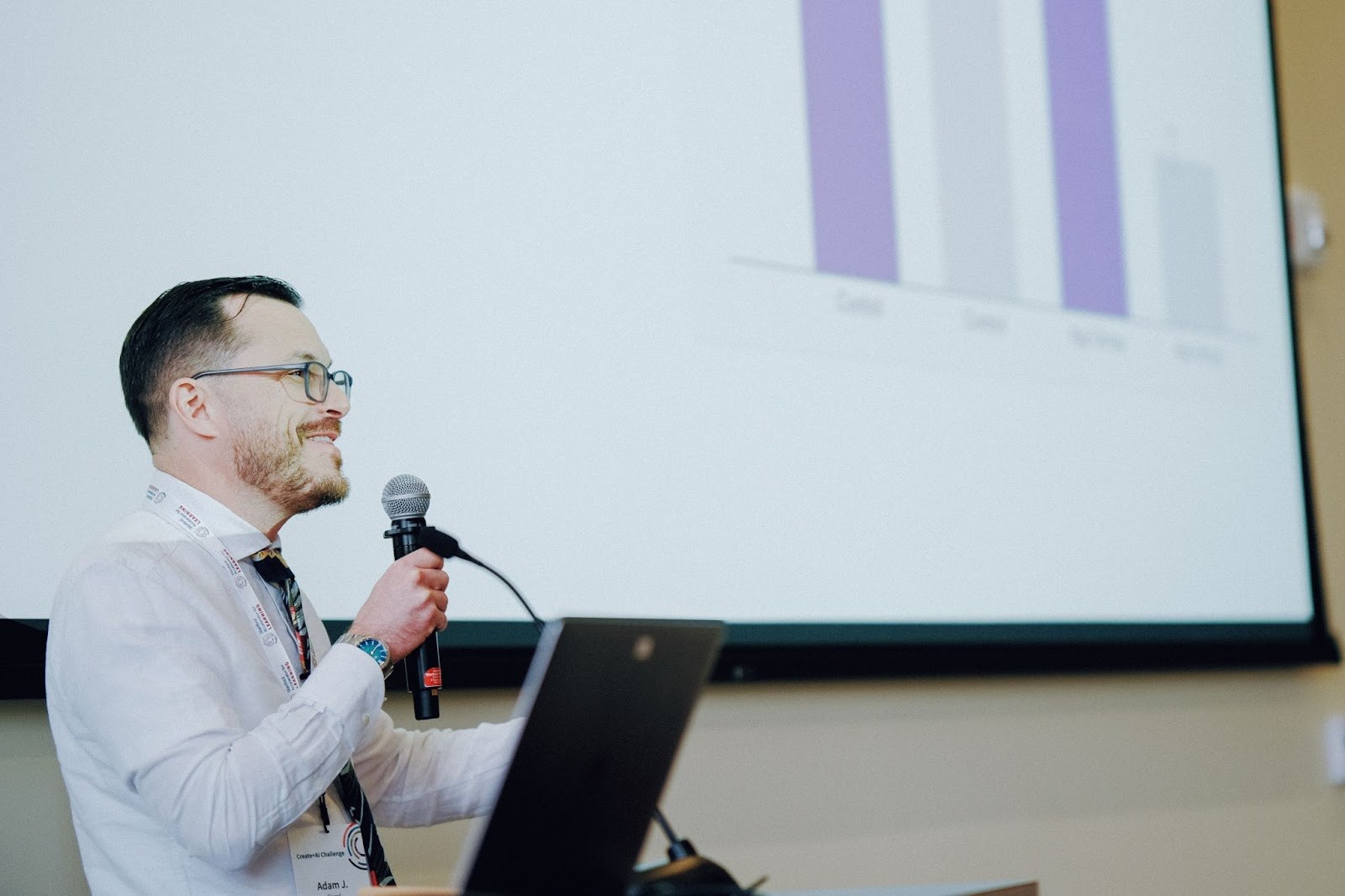
UGood? is an AI-supported system designed to strengthen relationships between teachers and students.
The system generates brief check-in questions based on student engagement patterns and drafts supportive follow-up messages that teachers review before sending.
The platform also surfaces insights that help educators identify when students may need additional support.
Team: Adam J. Siegel, Jonathan L. Montoya, Lindsey Couto
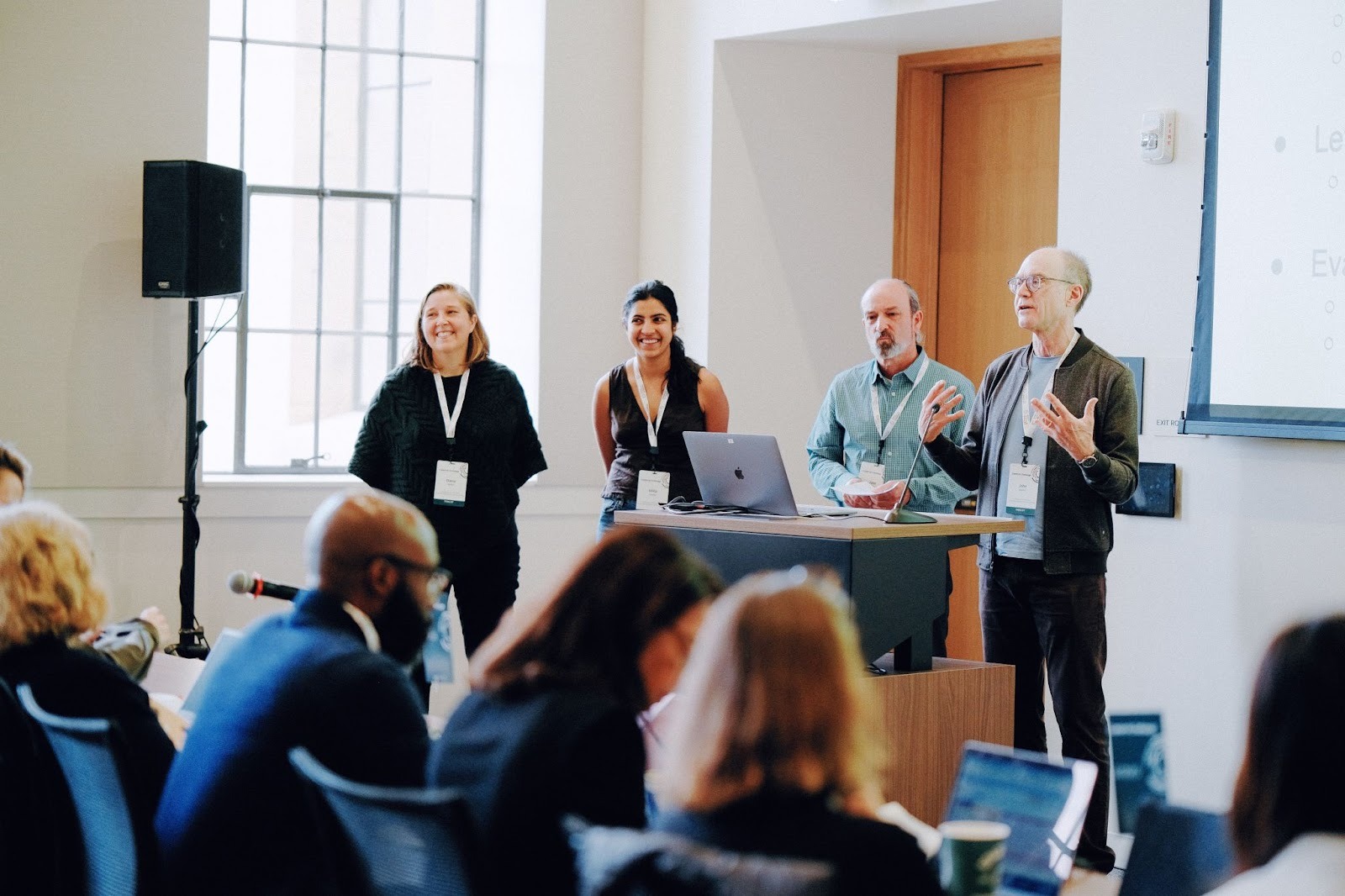
This tool supports students throughout the analytical writing process.
The AI system guides learners through stages including understanding texts, organizing ideas, mapping arguments, and revising drafts.
Rather than replacing writing, the platform focuses on strengthening the thinking behind the writing process.
Team: John Mitchell, Jake Moffat, Diana Neebe, Ishita Gupta
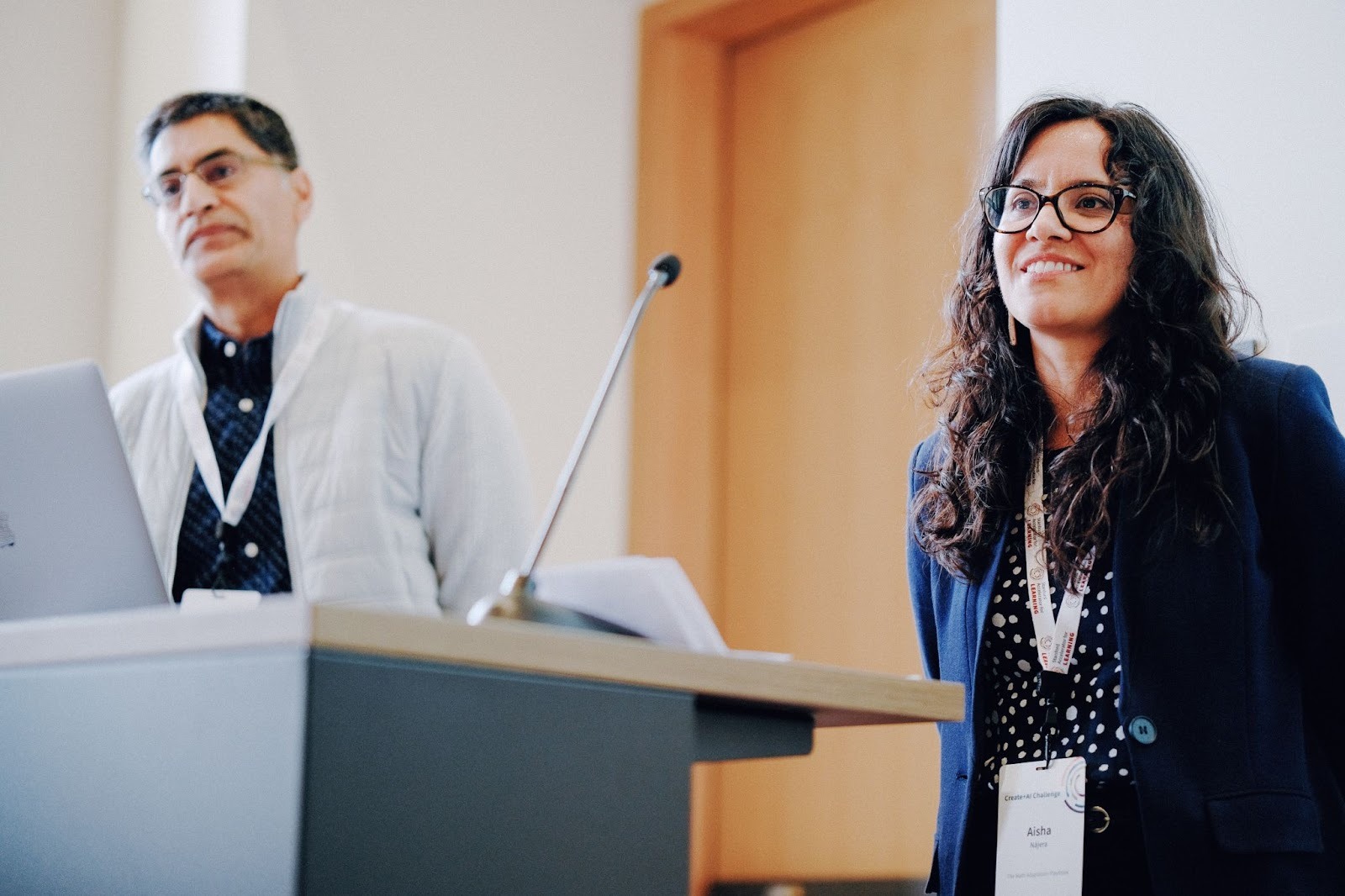
This project helps teachers adapt math lessons for multilingual learners using prompts grounded in Stanford’s Math Language Routines.
The resulting playbook allows educators to generate differentiated materials quickly while maintaining alignment with research-based teaching practices.
Team: Aisha Nájera, Akhil Shah, Ami Radunskaya, Tammy Kwan
The projects emerging from Stanford’s Create+AI Challenge highlight a new direction for AI in education.
Instead of replacing teachers or automating learning, these teams are exploring how AI can:
• strengthen relationships between educators and students
• personalize learning experiences
• expand access to opportunity
• support well-being alongside academic success
Many of these ideas are still early-stage, but together they point toward a future where AI augments human learning rather than replacing it.
And that future is already beginning to take shape.

Generative AI is reshaping emotional support, but few tools are purpose-built on rigorous psychological science. Here is what we learned from bridging the gap.
Read more ➔
AI chatbots are everywhere, but most are not built for mental health. Here’s what you can do.
Read more ➔
An evidence-based, AI-powered approach to proactive student well-being, built for scale.
Read more ➔



Email hello@myflourish.ai to join us in this exciting movement, share a personal story, or simply send some good vibes. Your voice means a lot to us!